Your Cart (0)
Close (X)
No Product your cart
Subtotal:
$0
Infrastructure and Real Estate in India: Growth That Moves Together
25-02-2026 / Kalpana Struct-Con Pvt. Ltd. / 5 min read
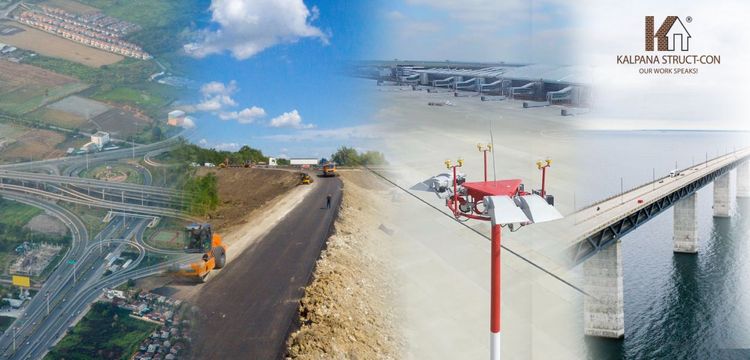
India’s real estate market is undergoing a transformative phase, driven by robust infrastructure development and large-scale government initiatives. The impact of infrastructure development on real estate in India is becoming increasingly visible as metro corridors expand, expressways connect emerging suburbs, and airport-centric developments create new economic hubs. From property appreciation near metro stations to residential growth along highway corridors, infrastructure and real estate share a symbiotic relationship that is shaping modern urban expansion.
In this blog, we explore how infrastructure projects increase property prices in India and why investors are actively seeking real estate investment opportunities near upcoming metro and expressway projects. We will also examine the long-term benefits of infrastructure-led urban development in India for homeowners, businesses, and commercial property investors seeking sustainable growth.
1. How Infrastructure Boosts Real Estate in India
Infrastructure development in India, including highways, metro stations, airports, and smart city initiatives, directly impacts residential and commercial real estate demand in emerging urban corridors. The impact of metro connectivity on property prices in India is clearly visible across major cities. Better roads, seamless rail networks, and modern urban amenities not only improve accessibility but also reduce commute times, making properties in well-connected zones more attractive for both end-users and investors.
Example: Properties along metro corridors in Delhi, Mumbai, and Bengaluru have witnessed significant property appreciation near metro stations due to enhanced connectivity and convenience. Similarly, new expressways linking suburbs to city centers have accelerated residential growth along highway corridors, opening up fresh opportunities for both residential and commercial real estate development.
-------------------------------------------------------------------------------------
2. Airport-Centric Development Driving Economic Growth
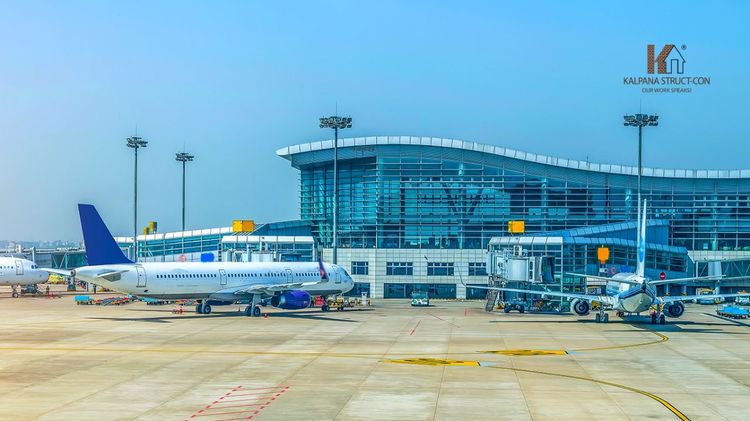
Airports are no longer just transport hubs—they are powerful engines of local economic growth and catalysts. Areas around major aviation hubs, such as Delhi’s Aerocity and Hyderabad Airport City, have emerged as prime examples of commercial real estate growth around airport zones in India, attracting multinational businesses, hospitality projects, retail spaces, and premium residential developments. The impact of airport expansion is evident in the steady rise in demand for both commercial and high-end housing projects in these regions.
-------------------------------------------------------------------------------------
3. Metro Systems: The Game Changer for Urban Real Estate
Metro networks have become a critical factor in shaping urban real estate. Cities like Delhi, Mumbai, and Bengaluru show how metro expansion influences property prices and residential demand.
Homes near metro stations are more desirable, allowing residents to save time on commuting, which boosts both residential and commercial property demand.
-------------------------------------------------------------------------------------
4. Highways and New Residential Corridors
Highway and expressway projects have unlocked remote regions for large-scale real estate development. Cities like Pune, Ahmedabad, and Lucknow are witnessing strong expressway growth, transforming rural and semi-urban belts into thriving suburban housing and industrial hubs. This wave of infrastructure development in India is creating new real estate corridors beyond traditional city centers.
These projects not only improve connectivity but also attract businesses, logistics parks, and educational institutions, strengthening local economies and increasing overall property demand in emerging growth zones.
-------------------------------------------------------------------------------------
5. The Symbiotic Relationship Between Infrastructure and Real Estate
Infrastructure and real estate in India share a mutually beneficial relationship:
- Infrastructure projects increase land and property demand.
- Rising real estate demand justifies more infrastructure investments.
- Together, they drive urbanization, job creation, and economic growth.
This cycle has turned India’s major urban corridors into thriving economic hubs, attracting investors, homebuyers, and businesses alike.
--------------------------------------------------------------------------------
6. Conclusion: Growth That Moves Together
The interplay of infrastructure development and real estate in India is more than a coincidence—it is a strategic driver of economic growth. From metro expansions to airport cities, from expressway corridors to smart city projects, infrastructure development has become the cornerstone for residential, commercial, and mixed-use real estate growth.
For investors, developers, and homeowners, understanding this symbiotic relationship is crucial. Real estate is no longer just about the property—it’s about connectivity, convenience, and long-term growth prospects.
India’s cities are evolving, and infrastructure and real estate continue to grow together, moving the country toward a modern, connected, and prosperous future.