Your Cart (0)
Close (X)
No Product your cart
Subtotal:
$0
Budget 2026 Real Estate Impact: Mixed Reactions from Developers and Stakeholders
18-02-2026 / Kalpana Struct-Con Pvt. Ltd. / 5 min read
The Union Budget 2026–27, presented on 1 February 2026, has sparked a mixed reaction within India’s real estate industry. While several stakeholders have welcomed its focus on long-term infrastructure-led growth, many developers and industry bodies are disappointed by the lack of targeted policy support for affordable housing.
------------------------------------------------------------------------------------------
Infrastructure-Led Growth: A Strategic Win for the Realty Sector
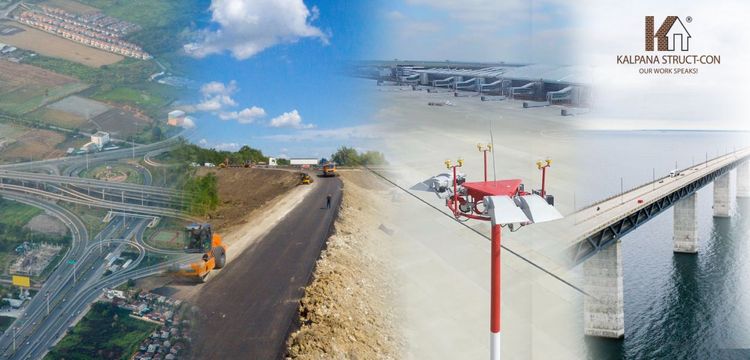
One of the most highlighted outcomes of the Budget 2026 for real estate is the government’s strong commitment to infrastructure spending. With capital expenditure projected to be significantly higher, industry leaders believe this will:
- Enhance connectivity and urban development across Tier-1 and Tier-2 cities
- Open new growth corridors outside densely populated metro areas
- Improve project execution and liquidity for developers
- Encourage long-term investments in housing and commercial real estate
These infrastructure-led growth measures are expected to catalyze demand for real estate beyond traditional strongholds, making emerging cities more attractive for homebuyers and investors alike.
---------------------------------------------------------------------------------------
Affordable Housing Policy in Budget 2026: A Missed Opportunity
Despite the optimism around infrastructure, many stakeholders have strongly criticized the Budget’s handling of affordable housing policy. The real estate developers’ body CREDAI, publicly stated that the Budget failed to include concrete incentives or policy reforms to support this segment, a crucial part of India’s housing ecosystem.
According to industry voices:
- The current definition of affordable housing remains unchanged, which could further reduce its share in the total housing supply in the coming years.
- Rising construction and land costs, without corresponding policy support, are discouraging developers from launching new affordable housing projects.
- A lack of clear tax incentives or demand-side support for middle-income buyers may further weaken market momentum.
This gap in Budget policy has led to concerns that “affordable housing policy in Budget 2026” didn’t go far enough to foster inclusive and sustainable urban growth.
-----------------------------------------------------------------------------------------
Real Estate Developers' Reaction to Union Budget 2026
Overall, the reaction from real estate developers and stakeholders reflects a bittersweet blend of optimism and concern:
✔ Positive sentiment — The Budget’s long-term infrastructure focus is seen as a plus for real estate, potentially expanding development into new regions and creating growth drivers beyond core metro markets.
✘ Critical response — Many industry players lamented the absence of targeted incentives for affordable housing and clearer policy measures to boost buyer demand.
---------------------------------------------------------------------------------------
Looking Ahead: What Developers Are Expecting Next
While the Budget has avoided short-term relief measures, the industry now hopes for:
- Better tax relief or GST rationalization for mid-income housing
- Updated definitions and incentives for affordable and rental housing
- Policies that boost home-loan affordability and buyer confidence
- Continued investment in urban infrastructure and connectivity to drive real estate growth
These expectations reveal that the Budget 2026 real estate impact in India will continue to evolve as policymakers and industry leaders seek common ground.